Africana Studies Minor

Table of Contents
What is an africana studies minor?
Africana studies is an interdisciplinary discipline in which students learn to examine the experiences, culture and history of African-descended people worldwide. The field embraces Africa, Afro-America and the Caribbean but does not confine itself to those three geographical areas. The minor investigates how race and the treatment of people based on racial difference influenced the modern world’s development. The field draws from multiple disciplines, including sociology, psychology, philosophy, music, anthropology, economics, biology, education, history and political science.
Why minor in Africana studies at Furman?
As a private liberal arts and sciences university, Furman provides an exceptional environment for multidisciplinary studies, allowing students to find connections between multiple areas of interest. The Africana studies minor includes course options from several different academic disciplines. Small class sizes give students increased access to professors who are among the best in their fields. Our focus on engaged learning leverages Furman’s strong undergraduate research, internship and study away opportunities. Plan a visit to our beautiful campus or request information to learn more.
How will you learn?
The Africana studies minor balances coursework and research with real, practical experience. Sharpen your critical thinking, problem solving, and verbal and written communication skills. Travel to southern Africa to study the sociology of medicine, public health and global health. Or choose a three-week, immersive May Experience, “Media and Culture in Ghana,” which explores topics such as the transatlantic slave trade, customs, traditions, gender roles, socio-economic development and media practices.

Careers for Africana studies minors

Some sample fields and vocations are:
- Banker
- Insurance representative
- Social, community or humanitarian services director
- Computer/software engineer
- Foreign service officer
- Historian
- Journalist/writer
- Media relations consultant
- Cultural heritage site consultant, museum curator/director
- News analyst
- Business manager
- Politician or civil service
- Social worker
- Nonprofit manager
- Secondary education teacher or higher education professor
- Ministry vocations
Featured Africana studies courses
-
94%placement rate for all students six months after graduating (employed or in graduate school)
-
70 +total areas of study at Furman
-
No. 2Top Colleges in South Carolina, according to Forbes
What our students say
Our faculty

Teresa Nesbitt Cosby

Cynthia King

Nicholas Radel

Roger Sneed

Claire Whitlinger

Holly Pinheiro, Jr.

Geniece Crawford Mondé

Stephen Mandravelis

Matt Dingledine
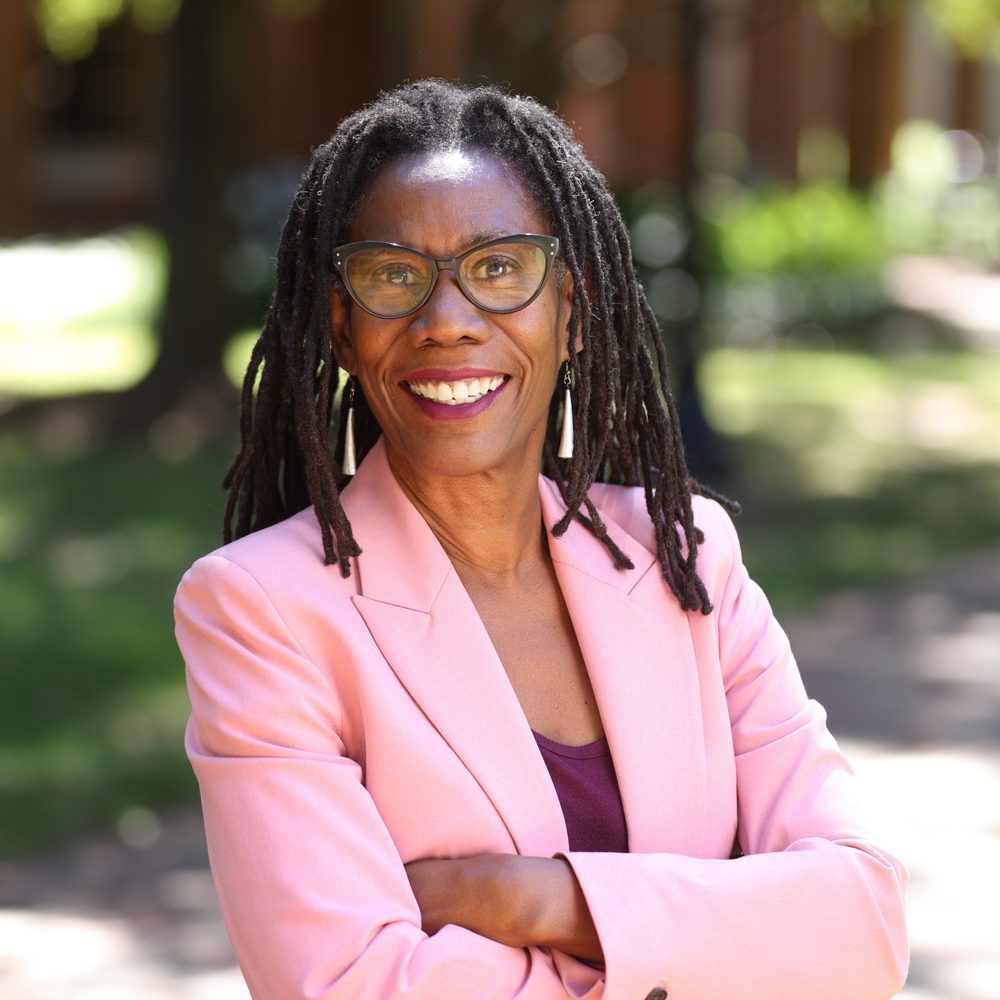
Judith Williams
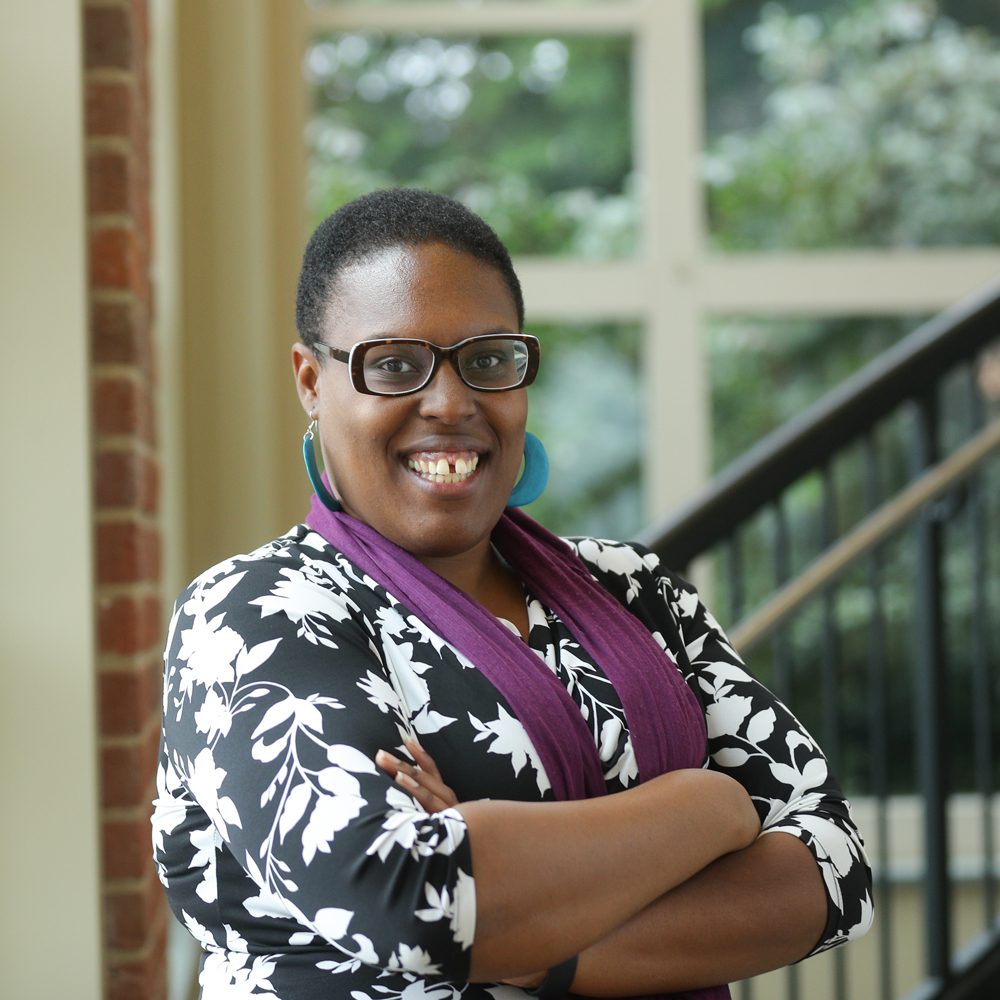
Kaniqua Robinson

Africana Studies Minor FAQ
Like declaring a major, students meet with the minor chair to work out the details.
There is no limit to the number of minors a student can declare.
A minor program can be an excellent way to explore further interests, gain additional skills to attract future employers, and discover connections between different subjects you’re passionate about. Many students find that taking on a minor makes for a more well-rounded and complete educational experience.